

Cavity Treatment and Tooth Decay Solutions in South Portland ME
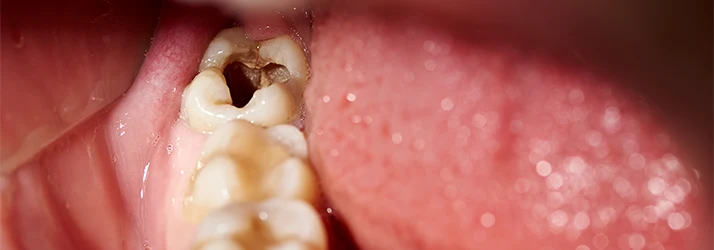
Cavities are among the most common oral health problems for children and adults, but timely care can prevent decay from causing lasting damage. At Elevate Dental, we provide personalized cavity prevention and treatment designed to protect your teeth, relieve discomfort, and restore your healthy smile.
Cavities in South Portland ME develop when bacteria in the mouth produce acids that gradually weaken tooth enamel. Without treatment, this erosion can create small openings in a tooth and allow decay to spread into its deeper layers. Our team is committed to helping patients understand their risks, prevent future cavities, and receive appropriate care when decay occurs.
What Causes Cavities in South Portland ME?
Whenever you consume foods or beverages containing sugars or carbohydrates, bacteria in your mouth use those substances to produce acid. That acid attacks enamel, which is the strong outer surface that protects each tooth.
Saliva helps neutralize acids and repair the earliest stages of enamel damage. However, frequent snacking, inadequate oral hygiene, dry mouth, and other risk factors can overwhelm this natural defense. As enamel continues to weaken, a permanent area of decay may form.
Common Signs and Symptoms of Tooth Decay
A cavity may not cause noticeable symptoms during its earliest stage. As decay advances, however, you may begin to experience one or more of the following warning signs:
- Tooth sensitivity: A sharp or uncomfortable sensation when eating or drinking something hot, cold, sweet, or acidic.
- Visible pits or discoloration: Small holes, dark marks, white spots, or other changes on the surface of a tooth.
- Tooth pain: An ongoing ache or discomfort that becomes more noticeable while biting or chewing.
- Persistent bad breath: Unpleasant breath or a bad taste that does not improve with brushing.
- Pain when applying pressure: Tenderness in a specific tooth when eating or closing your bite.
Untreated decay can eventually reach the center of a tooth, where the nerves and blood vessels are located. This may lead to infection, significant pain, and the need for more extensive treatment. Scheduling an evaluation when symptoms first appear can help preserve more of your natural tooth.
Four Factors That Can Increase Your Cavity Risk
Anyone can develop tooth decay, although certain habits and health conditions may make cavities more likely. Common risk factors include:
- Frequent sugar or acid exposure: Regularly consuming candy, sweetened drinks, soda, sports drinks, or acidic foods gives harmful bacteria more opportunities to weaken enamel.
- Dry mouth: Reduced saliva flow limits the mouth’s ability to wash away food particles, control bacteria, and neutralize damaging acids.
- Inconsistent brushing and flossing: Plaque can remain on and between the teeth when daily oral hygiene is incomplete.
- Certain medical conditions: Diabetes and other health concerns may increase the risk of decay or make oral health more difficult to manage.
Our team can evaluate your individual risk factors and recommend practical ways to improve your daily routine and protect vulnerable teeth.
How Cavity Risks Change With Age
Tooth decay can occur at every stage of life, but the causes and areas of concern may differ among children, adults, and seniors.
Cavities in Children
Children may be especially susceptible to cavities while they are learning how to brush and floss effectively. Frequent snacks, sweetened beverages, and insufficient cleaning can allow plaque to remain on developing teeth. Untreated decay may cause discomfort, interfere with eating, and affect the health of nearby permanent teeth.
Tooth Decay in Adults
Adults remain vulnerable to cavities, particularly around older fillings, crowns, and areas that are difficult to clean. Diet, tobacco use, dry mouth, inconsistent dental appointments, and busy schedules can all contribute to decay. Routine visits allow our team to identify small problems before they become more complicated.
Root Cavities in Older Adults
As people age, gum recession may expose portions of the tooth roots that are not protected by strong enamel. These exposed surfaces can decay more easily. Certain medications may also reduce saliva production, further increasing cavity risk. Consistent preventive care is especially valuable for protecting oral health later in life.
Ways to Prevent Cavities and Protect Your Enamel
Many cavities can be prevented through a combination of effective home care, healthy dietary choices, and professional dental services. Our team recommends the following habits:
- Brush thoroughly twice each day: Use a soft-bristled toothbrush and fluoride toothpaste to clean every surface of your teeth.
- Floss every day: Flossing removes plaque and food particles from areas a toothbrush cannot easily reach.
- Choose fluoride products: Fluoride helps strengthen enamel and makes teeth more resistant to acid attacks.
- Limit frequent snacking: Reducing repeated exposure to sugary and acidic foods gives your enamel more time to recover.
- Drink plenty of water: Water helps rinse the mouth and supports healthy saliva production.
- Maintain routine dental visits: Regular dental exams and professional cleanings help prevent plaque buildup and identify decay in its earliest stages.
Our South Portland office can help you create a preventive plan based on your age, oral health, medical history, and individual cavity risk.
Cavity Treatment Options at Elevate Dental
A fully developed cavity cannot repair itself, but professional treatment can stop the decay, restore the damaged area, and protect the remaining tooth structure. The treatment we recommend will depend on how far the decay has progressed.
- Fluoride treatment: If enamel has only begun to weaken and a cavity has not fully formed, concentrated fluoride may support remineralization.
- Dental filling: For a small or moderate cavity, the damaged material can be removed and replaced with a durable restoration. Learn more about dental fillings.
- Dental crown: A tooth with extensive decay may need a crown to restore its strength, shape, and function.
- Root canal therapy: When decay reaches the inner pulp of a tooth, root canal therapy may be necessary to remove infected tissue and preserve the tooth.
- Tooth extraction: If a severely damaged tooth cannot be predictably restored, a tooth extraction may be recommended. Our team can also discuss replacement solutions that restore your bite and appearance.
Before beginning treatment, we will explain our findings, review the available options, and answer your questions so you can make an informed decision about your care.
Frequently Asked Questions About Cavities
Can cavities be prevented?
What should I do if I suspect a cavity?
Can a cavity disappear without dental treatment?
How frequently should I visit the dentist?
Is fluoride appropriate for children?
How can seniors reduce their risk of root cavities?
Does decay in a baby tooth need to be treated?
Can a cavity be serious even when it does not hurt?
Is extracting a tooth easier than repairing a cavity?
Compassionate Cavity Care in South Portland ME
Tooth decay can affect your comfort, confidence, and ability to enjoy everyday meals. At Elevate Dental, we provide attentive preventive and restorative care based on the condition of your teeth and your personal needs. Our goal is to make every visit comfortable, informative, and focused on long-term oral health.
Whether you need help preventing your first cavity or restoring a tooth affected by advanced decay, our team is ready to help you move forward with confidence.
Schedule a Cavity Evaluation Today
Do not wait for tooth sensitivity or discomfort to become more severe. Contact Elevate Dental to schedule an appointment, discuss cavity prevention, or learn which treatment may be right for your smile. We look forward to helping you maintain strong, healthy teeth in South Portland ME.