

Natural-Looking Dental Fillings in South Portland ME
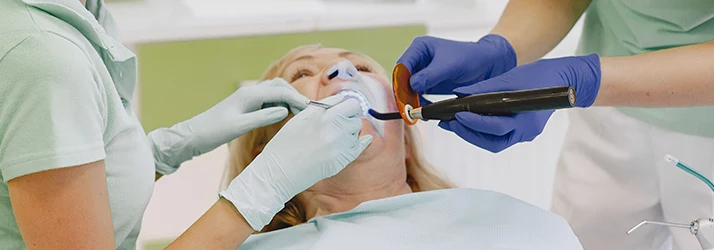
A cavity or minor tooth injury can weaken your smile and become more serious without timely care. At Elevate Dental, we provide durable, natural-looking dental fillings to repair damaged teeth, restore comfortable function, and help prevent further decay.
Our personalized approach to dental fillings in South Portland ME focuses on preserving as much healthy tooth structure as possible. Whether you have a newly diagnosed cavity, a chipped tooth, or an older filling that needs attention, our team will recommend a treatment suited to your oral health and long-term needs.
How Dental Fillings Repair Cavities in South Portland ME
A dental filling is a restorative treatment used to rebuild a tooth affected by decay or minor damage. During the procedure, the compromised portion of the tooth is carefully removed and the remaining area is cleaned. A filling material is then placed and shaped to restore the tooth’s natural form.
By sealing the treated area, a filling helps prevent bacteria and food particles from entering the tooth. It also restores strength and allows you to bite and chew more comfortably.
Dental fillings may be recommended for:
- Small or moderate cavities
- Minor chips or fractures
- Worn areas of tooth structure
- Damage caused by teeth grinding
- Old, loose, cracked, or deteriorating fillings
Signs You May Need a Dental Filling
Tooth decay does not always cause immediate discomfort. In many cases, a cavity is discovered during a routine dental examination before noticeable symptoms appear. As decay progresses, however, you may experience:
- Sensitivity to hot, cold, sweet, or acidic foods
- Discomfort when biting or chewing
- A visible hole, pit, or dark spot on a tooth
- Food repeatedly becoming trapped in one area
- A rough, sharp, or uneven tooth surface
- Persistent or occasional tooth pain
- A filling that feels loose or damaged
These symptoms can also be associated with other dental concerns. A professional evaluation allows our team to identify the source of the problem and determine the most appropriate treatment.
Benefits of Tooth-Colored Fillings
Tooth-colored fillings are commonly made from composite resin, a versatile material that can be carefully matched to the shade of your natural enamel. This allows the restoration to blend with the surrounding tooth rather than standing out when you speak or smile.
Composite fillings offer several advantages:
- Natural appearance: The material can be selected and shaped to complement your tooth.
- Conservative treatment: Composite resin often allows more healthy tooth structure to remain intact.
- Strong bonding: The filling bonds directly to the prepared surface of the tooth.
- Versatility: Composite material can repair cavities, chips, worn edges, and certain cosmetic imperfections.
- Immediate function: The material is hardened during treatment, so the restoration is set before you leave.
Although tooth-colored fillings are suitable for many patients, the best restorative material depends on the location of the tooth, the extent of the damage, your bite, and other individual factors.
What to Expect During a Filling Procedure
Receiving a dental filling is generally a straightforward process. Before treatment begins, our team will examine the tooth and explain each stage of the procedure.
- Comfort preparation: The treatment area is numbed to help keep you comfortable.
- Decay removal: Damaged or decayed tooth structure is carefully removed.
- Tooth cleaning: The prepared area is cleaned to eliminate debris and bacteria.
- Filling placement: The restorative material is added in precise layers and hardened.
- Shaping and polishing: The filling is sculpted to match the natural contours of your tooth.
- Bite evaluation: Your bite is checked, and minor adjustments are made when necessary.
Our goal is to create a comfortable restoration that feels natural and supports normal biting and chewing.
How Long Do Dental Fillings Last?
The lifespan of a dental filling depends on several factors, including its size and location, the filling material, your oral hygiene habits, and the amount of pressure placed on the tooth. A small filling in an area with limited biting force may last longer than a large restoration on a back tooth.
You can help protect your fillings by:
- Brushing twice daily with fluoride toothpaste
- Flossing between your teeth every day
- Avoiding chewing ice and other extremely hard objects
- Limiting frequent exposure to sugary foods and beverages
- Wearing a nightguard if you grind or clench your teeth
- Attending routine dental exams and professional cleanings
During regular appointments, our team can monitor your restorations for wear, cracks, leakage, or other changes that may require attention.
Replacing Old or Damaged Fillings
Dental fillings experience daily pressure and may eventually wear down, loosen, chip, or develop small gaps around their edges. Bacteria can enter these spaces and cause new decay beneath or around the restoration.
A damaged filling may need to be replaced if you notice sensitivity, pain, a rough edge, or a change in the way your bite feels. Some deteriorating fillings cause no obvious symptoms, which is why routine examinations remain important.
When replacing a filling, we remove the compromised restoration, examine the underlying tooth, and rebuild the area with an appropriate material. If the tooth has extensive damage, another solution such as a dental crown may provide better protection.
Preventing Future Cavities
Dental fillings restore areas already affected by decay, but prevention remains the best way to protect your natural teeth. Cavities form when plaque bacteria produce acids that weaken tooth enamel. Consistent home care and professional prevention can reduce this risk.
To help prevent future decay:
- Brush every morning and evening for two full minutes
- Clean between your teeth with floss or another recommended tool
- Use fluoride products as directed by your dental provider
- Drink water regularly, especially after meals and snacks
- Reduce frequent snacking on sugary or starchy foods
- Schedule regular dental exams
- Receive routine professional dental cleanings
Patients with a higher risk of tooth decay may benefit from additional preventive recommendations based on their individual needs.
Dental Fillings for Children and Adults
Cavities can affect patients at any age. Children may develop decay while they are still learning effective brushing and flossing techniques, while adults may experience cavities around older restorations, along the gumline, or in areas that are difficult to clean.
Older adults may face an increased risk of root decay when gum recession exposes areas of the tooth that are not protected by enamel. Dry mouth caused by medications or medical conditions may further increase this risk.
At Elevate Dental, we adapt each treatment plan to the patient’s age, comfort needs, oral health, and stage of dental development.
Frequently Asked Questions About Dental Fillings
Does getting a dental filling hurt?
The treatment area is typically numbed before the damaged tooth structure is removed. You may feel pressure or vibration during the procedure, but the goal is to keep treatment comfortable. Mild sensitivity afterward is possible and usually improves as the tooth adjusts.
Can I eat after receiving a filling?
Composite fillings harden during the appointment. However, you should avoid chewing until the numbness has fully worn off so you do not accidentally bite your cheek, lip, or tongue. Follow any specific instructions provided by our team.
Why does my tooth feel sensitive after treatment?
Temporary sensitivity to temperature or biting pressure can occur after a filling. It often decreases over the following days. Contact Elevate Dental if sensitivity is severe, persists, or becomes worse.
What should I do if my bite feels uneven?
A new filling may occasionally feel slightly high when your teeth come together. This can place unnecessary pressure on the treated tooth. A simple adjustment can usually correct the issue, so contact our office if your bite does not feel natural.
Can a cavity heal without a filling?
Very early enamel weakening may sometimes be managed with fluoride and improved preventive care. Once decay has created a physical opening in the tooth, the missing structure cannot grow back and generally requires restoration.
Do small cavities need to be treated?
Untreated decay can continue spreading into deeper portions of a tooth. Addressing a cavity while it is small often allows for a more conservative restoration and reduces the likelihood of needing extensive treatment later.
Can fillings fall out?
A filling can loosen or fall out because of wear, recurrent decay, trauma, or excessive biting pressure. Avoid chewing on the affected side and contact our office promptly so the tooth can be evaluated and protected.
How will I know whether I need a filling or a crown?
A filling is often appropriate when enough strong, healthy tooth structure remains. A crown may be recommended when the damage is extensive or the tooth requires greater reinforcement. We will explain the available options after evaluating the tooth.
Restore Your Tooth With Personalized Care
A small cavity can become a painful and complex dental problem when treatment is delayed. At Elevate Dental, we provide careful diagnosis and customized restorative care to help protect your tooth and preserve your smile.
Our team will explain your treatment options, answer your questions, and create a restoration intended to provide comfortable, dependable function.
Schedule a Dental Filling Appointment in South Portland ME
Contact Elevate Dental if you are experiencing tooth sensitivity, discomfort, or signs of a damaged restoration. We can evaluate your smile and determine whether a dental filling or another treatment is appropriate.
Schedule your appointment today to learn more about natural-looking dental fillings in South Portland ME.